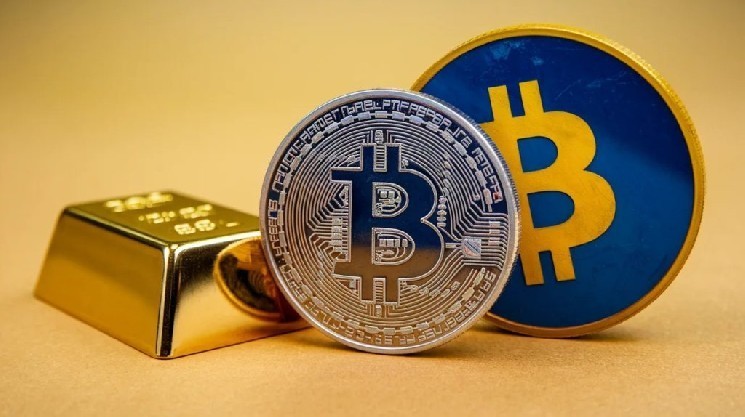
Nick Szabo, a cryptographer and computer scientist who has occasionally been linked to Satoshi Nakamoto in the cryptocurrency world, compared Bitcoin and gold in terms of cost, storage, and transfer.
Szabo argued that Bitcoin has some significant advantages over physical gold, especially for individual investors.
According to Szabo, Bitcoin is “slightly cheaper” than physical gold when it comes to self-custody for individuals. This assessment includes storage costs and security risks. He also noted that Bitcoin’s transfer process is much faster and less expensive than gold in terms of verification and global consensus costs.
He pointed out that the additional costs involved in transferring and verifying physical gold are more cumbersome and expensive compared to the digital verification processes on the Bitcoin network.
Szabo stated that the picture is more balanced for institutional investors. He noted that the trust and control issues arising from storing Bitcoin at the institutional level limit the cost advantage, and therefore, Bitcoin is neither significantly cheaper nor more expensive than gold for institutions.
He added that in corporate custody processes, factors such as trust infrastructure, regulation, and operational control are key factors determining costs.
Szabo argued that Bitcoin’s self-custody costs could be significantly reduced for both individuals and institutions thanks to technological advancements. However, he noted that these technologies are still in their maturation phase, not widely understood, and require a support mechanism quite different from existing institutional trust structures.
He also emphasized that Wall Street and banks’ long-standing habit of centralized custody has slowed this transformation.
Szabo stated that while gold technology, with its approximately 6,000-year history, has limited room for improvement in reducing storage and verification costs, Bitcoin has a much higher potential for innovation. He described Bitcoin’s current concentration in large custodial institutions as “shameful centralization,” arguing that this concentration, particularly on Coinbase, a leading provider of custodial services, is merely a temporary phase in Bitcoin’s maturation process.
In contrast, Szabo stated that the centralized structure of gold in bank vaults is unlikely to change in the near future, suggesting that Bitcoin will evolve into a stronger and more distributed storage structure over time.

 Bitcoin
  Ethereum
  Tether
  BNB
BNB  USDC
USDC  XRP
XRP  Solana
  TRON
TRON  Lido Staked Ether
  Figure Heloc
  Hyperliquid
  Dogecoin
  USDS
USDS  Rain
Rain  LEO Token
  Wrapped stETH
  Zcash
Zcash  WhiteBIT Coin
  Wrapped Bitcoin
  Cardano
  Binance Bridged USDT (BNB Smart Chain)
  Stellar
  Wrapped Beacon ETH
  Monero
  Chainlink
  Canton
  Wrapped eETH
  Bitcoin Cash
  Dai
Dai  sUSDS
sUSDS  USD1
USD1  Ethena USDe
  Gram (prev. Toncoin)
  Coinbase Wrapped BTC
  Litecoin
  Global Dollar
  Circle USYC
  WETH
WETH  Hedera
  Sui
Sui  PayPal USD
  USDT0
USDT0  Avalanche
  Cronos
  Tether Gold
  Shiba Inu
  NEAR Protocol
  BlackRock USD Institutional Digital Liquidity Fund
  Ondo US Dollar Yield
  Ethena Staked USDe
  Uniswap
  Bittensor
  World Liberty Financial
  PAX Gold
  MemeCore
  Aster
Aster  HTX DAO
  OKB
OKB  Ripple USD
  Ondo
Ondo  Little Pepe
  USDD
USDD  syrupUSDC
  Falcon USD
  Polkadot
  Morpho
  Mantle
  DeXe
DeXe  Aave
Aave  BFUSD
BFUSD  Worldcoin
  Sky
Sky  Internet Computer
  Bitget Token
  Pi Network
  Ethereum Classic
  Pepe
Pepe  United Stables
  Jupiter Perpetuals Liquidity Provider Token
  Spiko EU T-Bills Money Market Fund
  Blockchain Capital
  Quant
Quant  KuCoin
  Janus Henderson Anemoy Treasury Fund
  Jito Staked SOL
  USDGO
USDGO  Stable
  Kelp DAO Restaked ETH
  Invesco Short Duration US Government Securities Fund
  JUST
JUST  Binance-Peg WETH
  POL (ex-MATIC)
  Rocket Pool ETH
  Cosmos Hub
  Kaspa
Kaspa  Binance Bridged USDC (BNB Smart Chain)
  Render
  Algorand
  Wrapped BNB
  ADI
ADI  Function FBTC
  Beldex
  USDtb
USDtb  NEXO
NEXO  Jupiter
  LAB
LAB  syrupUSDT
  Spiko Amundi Overnight Swap Fund (EUR)
  币安人生 (BinanceLife)
  Gate
Gate  Binance Staked SOL
  Ethena
  Audiera
  Janus Henderson Anemoy AAA CLO Fund
  Filecoin
  GHO
GHO  Pump.fun
  NEW X CEO IS BACK
  Polygon Bridged USDC (Polygon PoS)
  Lighter
  Solv Protocol BTC
  Flare
Flare  Lombard Staked BTC
  Usual USD
  XDC Network
  YLDS
YLDS  clBTC
clBTC  Midnight
  Provenance Blockchain
  USX
USX  Aptos
Aptos  Aerodrome Finance
  Venice Token
  StakeWise Staked ETH
  TrueUSD
  Arbitrum
  Kinetiq Staked HYPE
  A7A5
A7A5  tBTC
tBTC  Injective
  PancakeSwap
  Dash
Dash  EURC
EURC  VeChain
  Ondo Short-Term U.S. Government Bond Fund
  Pudgy Penguins
  c8ntinuum
  Hastra PRIME
  Mantle Staked Ether
  Official Trump
  Celestia
  Polygon PoS Bridged DAI (Polygon POS)
  Ether.fi
  Resolv wstUSR
  Artificial Superintelligence Alliance
  COCA
COCA  Sun Token
  Bonk
Bonk  SPX6900
  Doge Strategy
  Liquid Staked ETH
  First Digital USD
  Arbitrum Bridged WBTC (Arbitrum One)
  LayerZero
  Virtuals Protocol
  Pyth Network
  The9bit
  Terra Luna Classic
  Wrapped Flare
  Kinesis Gold
  Sei
Sei  L2 Standard Bridged WETH (Base)
  apxUSD
  Steakhouse USDC Morpho Vault
  Curve DAO
  Stacks
  Jito
Jito  Monad
Monad  Kite
Kite  Binance-Peg XRP
  Gnosis
  Ether.Fi Liquid ETH
  Tezos
Tezos  Renzo Restaked ETH
  Lido DAO
  MegaUSD
  Noon
Noon  Royal Dollar
  sBTC
sBTC  AINFT
AINFT  BitTorrent
  Bitcoin SV
  Jupiter Staked SOL
  Pendle
  Savings USDD
  Olympus
  DoubleZero
  Plasma
  Marinade Staked SOL
  Legacy Frax Dollar