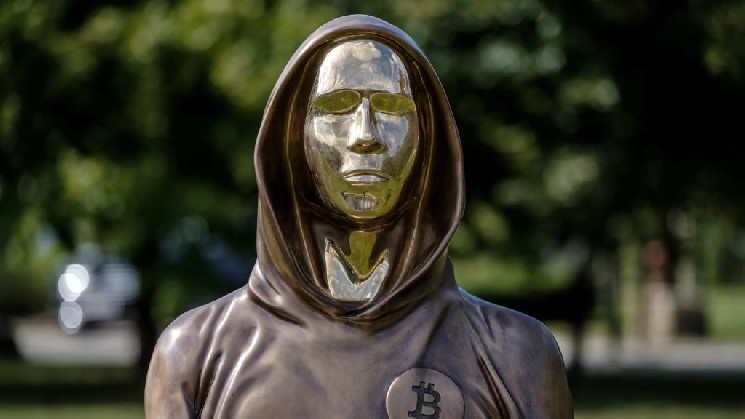
Alex Thorn, Head of Corporate Research at Galaxy Digital, a leading company in the cryptocurrency market, made noteworthy assessments regarding the potential interactions between Bitcoin and quantum technologies.
Thorn shared the common insights that emerged from his meetings with investors, developers, and industry representatives at events held in Las Vegas.
According to Thorn, one of the most sensitive issues in the Bitcoin ecosystem is the status of early coins believed to belong to Satoshi Nakamoto. He notes that these coins are largely held in P2PK (Pay-to-Public-Key) addresses, arguing that tampering with these assets could harm Bitcoin’s fundamental value proposition of property rights. However, Thorn also states that the risk isn’t as great as it’s often portrayed, pointing out that these coins are distributed across approximately 22,000 separate addresses, each containing 50 $BTC. This suggests that a potential quantum attack would require targeting a large number of addresses rather than a single one.
Related News30-Year Veteran Analyst Jordi Visser: “Capital Is Flowing Into Bitcoin” – What Happens Next?
On the other hand, Thorn stated that the biggest risk is actually concentrated in “honey pot” structures such as centralized exchanges and active wallets, but these parties can switch to quantum-resistant (post-quantum) addresses when needed. He also noted that the proposal known as “hourglass” offers a potential solution that could mitigate long-term quantum threats.
Thorn also touched upon the current state of quantum technology, noting that “neutral atom” technology, in particular, is limited to long-range attacks and does not pose a widespread threat in the short term. He added that Google opening a new laboratory in this field could indicate that different technological approaches are being tested in the sector.
Thorn, who also analyzed data on market dynamics, pointed out that Bitcoin markets have been able to absorb large supply shocks in the past. According to him, markets have been able to balance even movements of millions of $BTC over time. He stated that even in the worst-case scenario, if Satoshi’s own coins were to enter the market, preserving Bitcoin’s fundamental principles at the cost of a drop of up to 50% could be considered acceptable by many investors.
Thorn also emphasized the importance of continuing post-quantum cryptography research for Bitcoin. He stated that developing, testing, and keeping new cryptographic solutions ready for use when needed would benefit the ecosystem, but also pointed out some risks to consider in this process. These include the dispersion of developer resources, the addition of insufficiently tested technologies to the protocol, and disagreements slowing down network updates.

 Bitcoin
  Ethereum
  Tether
  BNB
BNB  USDC
USDC  XRP
XRP  Solana
  TRON
TRON  Lido Staked Ether
  Figure Heloc
  Hyperliquid
  Dogecoin
  USDS
USDS  Rain
Rain  LEO Token
  Wrapped stETH
  Zcash
Zcash  WhiteBIT Coin
  Wrapped Bitcoin
  Cardano
  Binance Bridged USDT (BNB Smart Chain)
  Stellar
  Wrapped Beacon ETH
  Monero
  Chainlink
  Canton
  Wrapped eETH
  Bitcoin Cash
  Dai
Dai  sUSDS
sUSDS  USD1
USD1  Ethena USDe
  Gram (prev. Toncoin)
  Coinbase Wrapped BTC
  Litecoin
  Global Dollar
  Circle USYC
  WETH
WETH  Hedera
  Sui
Sui  PayPal USD
  USDT0
USDT0  Avalanche
  Cronos
  Tether Gold
  Shiba Inu
  NEAR Protocol
  BlackRock USD Institutional Digital Liquidity Fund
  Ondo US Dollar Yield
  Ethena Staked USDe
  Uniswap
  Bittensor
  World Liberty Financial
  PAX Gold
  MemeCore
  Aster
Aster  HTX DAO
  OKB
OKB  Ripple USD
  Ondo
Ondo  Little Pepe
  USDD
USDD  syrupUSDC
  Falcon USD
  Polkadot
  Morpho
  Mantle
  DeXe
DeXe  Aave
Aave  BFUSD
BFUSD  Worldcoin
  Sky
Sky  Internet Computer
  Bitget Token
  Pi Network
  Ethereum Classic
  Pepe
Pepe  United Stables
  Jupiter Perpetuals Liquidity Provider Token
  Spiko EU T-Bills Money Market Fund
  Blockchain Capital
  Quant
Quant  KuCoin
  Janus Henderson Anemoy Treasury Fund
  Jito Staked SOL
  USDGO
USDGO  Stable
  Kelp DAO Restaked ETH
  Invesco Short Duration US Government Securities Fund
  JUST
JUST  Binance-Peg WETH
  POL (ex-MATIC)
  Rocket Pool ETH
  Cosmos Hub
  Kaspa
Kaspa  Binance Bridged USDC (BNB Smart Chain)
  Render
  Algorand
  Wrapped BNB
  ADI
ADI  Function FBTC
  Beldex
  USDtb
USDtb  NEXO
NEXO  Jupiter
  LAB
LAB  syrupUSDT
  Spiko Amundi Overnight Swap Fund (EUR)
  币安人生 (BinanceLife)
  Gate
Gate  Binance Staked SOL
  Ethena
  Audiera
  Janus Henderson Anemoy AAA CLO Fund
  Filecoin
  GHO
GHO  Pump.fun
  NEW X CEO IS BACK
  Polygon Bridged USDC (Polygon PoS)
  Lighter
  Solv Protocol BTC
  Flare
Flare  Lombard Staked BTC
  Usual USD
  XDC Network
  YLDS
YLDS  clBTC
clBTC  Midnight
  Provenance Blockchain
  USX
USX  Aptos
Aptos  Aerodrome Finance
  Venice Token
  StakeWise Staked ETH
  TrueUSD
  Arbitrum
  Kinetiq Staked HYPE
  A7A5
A7A5  tBTC
tBTC  Injective
  PancakeSwap
  Dash
Dash  EURC
EURC  VeChain
  Ondo Short-Term U.S. Government Bond Fund
  Pudgy Penguins
  c8ntinuum
  Hastra PRIME
  Mantle Staked Ether
  Official Trump
  Celestia
  Polygon PoS Bridged DAI (Polygon POS)
  Ether.fi
  Resolv wstUSR
  Artificial Superintelligence Alliance
  COCA
COCA  Sun Token
  Bonk
Bonk  SPX6900
  Doge Strategy
  Liquid Staked ETH
  First Digital USD
  Arbitrum Bridged WBTC (Arbitrum One)
  LayerZero
  Virtuals Protocol
  Pyth Network
  The9bit
  Terra Luna Classic
  Wrapped Flare
  Kinesis Gold
  Sei
Sei  L2 Standard Bridged WETH (Base)
  apxUSD
  Steakhouse USDC Morpho Vault
  Curve DAO
  Stacks
  Jito
Jito  Monad
Monad  Kite
Kite  Binance-Peg XRP
  Gnosis
  Ether.Fi Liquid ETH
  Tezos
Tezos  Renzo Restaked ETH
  Lido DAO
  MegaUSD
  Noon
Noon  Royal Dollar
  sBTC
sBTC  AINFT
AINFT  BitTorrent
  Bitcoin SV
  Jupiter Staked SOL
  Pendle
  Savings USDD
  Olympus
  DoubleZero
  Plasma
  Marinade Staked SOL
  Legacy Frax Dollar